


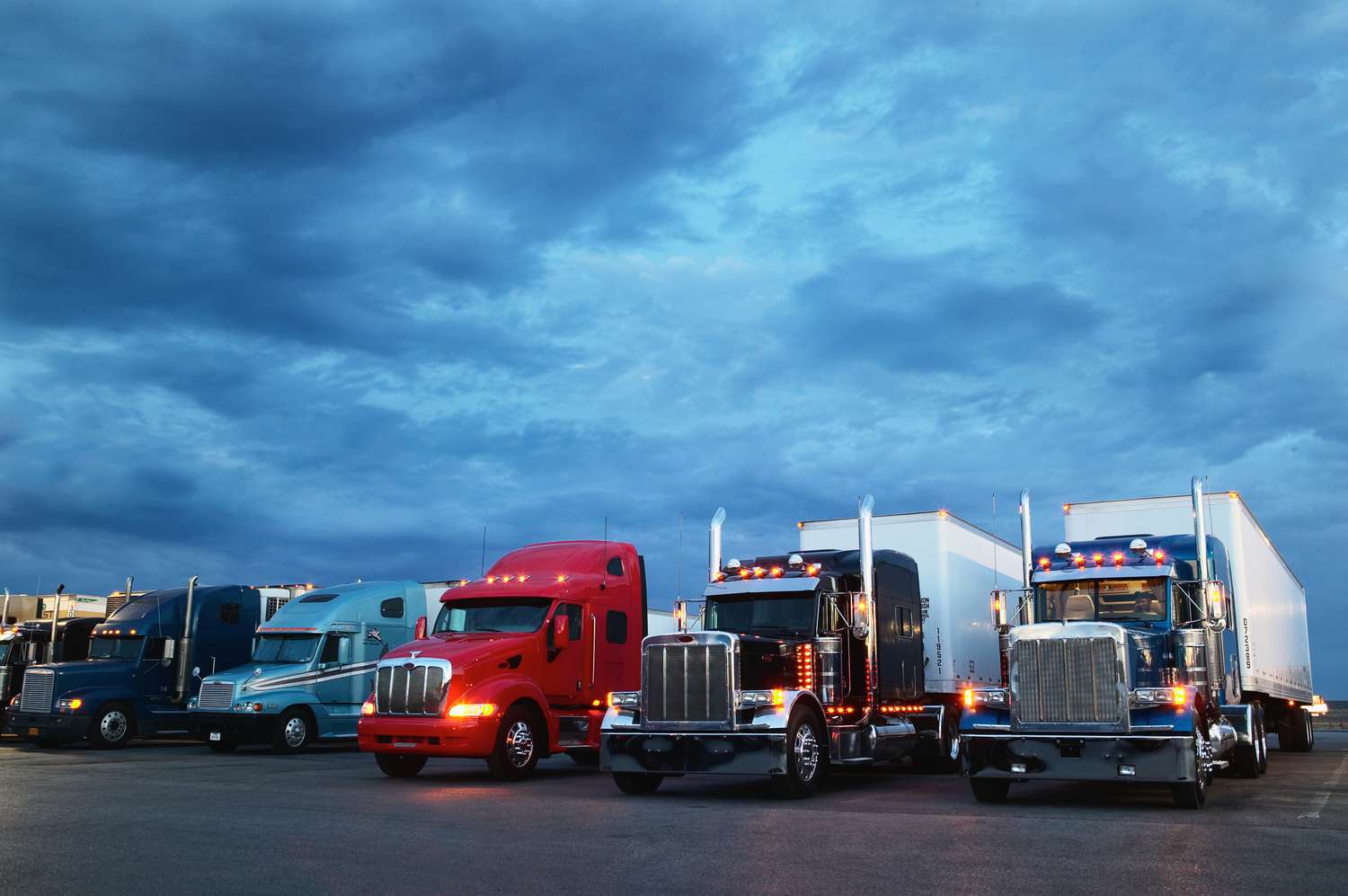
As the backbone of Australia’s economy, the freight transportation industry is continually evolving to meet the demands of a growing and dynamic market. With advancements in technology, increasing focus on sustainability, and innovative logistics solutions, the future of freight transportation in Australia promises to be both exciting and transformative. In this blog, we explore the key trends and innovations shaping the future of freight transportation in the country.
1. Digital Transformation and Automation
One of the most significant trends in freight transportation is the adoption of digital technologies and automation. From AI-driven logistics platforms to autonomous vehicles, technology is revolutionizing how goods are transported across Australia.
- AI and Machine Learning: These technologies are enhancing route optimization, predictive maintenance, and demand forecasting, leading to more efficient and cost-effective operations.
- Autonomous Vehicles: Self-driving trucks and drones are on the horizon, promising to reduce human error, lower labor costs, and increase safety on the roads.
2. Sustainability and Green Logistics
Environmental concerns are driving the push towards more sustainable transportation solutions. Companies are increasingly adopting green logistics practices to reduce their carbon footprint and comply with stringent environmental regulations.
- Electric and Hybrid Vehicles: The shift towards electric and hybrid freight vehicles is gaining momentum, reducing dependence on fossil fuels and lowering emissions.
- Rail Transport: Emphasizing rail over road for long-distance freight can significantly cut greenhouse gas emissions, as trains are more energy-efficient and environmentally friendly.
3. Intermodal Transportation
Intermodal transportation, which involves using multiple modes of transport (e.g., rail and road) for a single shipment, is becoming more prevalent. This approach offers several benefits, including cost savings, increased efficiency, and reduced environmental impact.
- Seamless Integration: Innovations in logistics software are enabling seamless integration of different transportation modes, ensuring smooth transitions and efficient delivery processes.
- Enhanced Flexibility: Intermodal transportation provides greater flexibility, allowing companies to choose the best mode for each leg of the journey based on cost, speed, and environmental impact.
4. Advanced Tracking and Visibility
Customers and businesses alike are demanding greater transparency and real-time visibility into their shipments. Advanced tracking technologies are meeting this demand by providing detailed insights into the location and status of goods in transit.
- IoT and Sensors: Internet of Things (IoT) devices and sensors are being used to monitor the condition and location of freight, ensuring that goods are handled properly and arrive on time.
- Blockchain Technology: Blockchain offers a secure and transparent way to track shipments, reduce fraud, and enhance trust between stakeholders in the supply chain.
5. Urban Logistics and Last-Mile Delivery
The rise of e-commerce has put a spotlight on urban logistics and the challenges of last-mile delivery. Innovations in this area are focused on improving efficiency and reducing congestion in urban areas.
- Electric Cargo Bikes and Drones: For last-mile delivery, electric cargo bikes and drones are being explored as eco-friendly alternatives to traditional delivery vehicles, especially in crowded city centers.
- Smart Warehousing: Automated warehouses and distribution centers are streamlining order fulfillment and reducing delivery times, ensuring that customers receive their orders quickly and accurately.
6. Collaborative Logistics
Collaboration among industry stakeholders is essential for addressing the complexities of modern freight transportation. Collaborative logistics involves sharing resources, information, and infrastructure to optimize the supply chain.
- Shared Freight Networks: Companies are increasingly participating in shared freight networks, where they can pool resources and reduce costs by sharing transportation assets and infrastructure.
- Data Sharing: Enhanced data sharing between shippers, carriers, and customers leads to improved coordination, reduced delays, and better decision-making.
Conclusion
The future of freight transportation in Australia is being shaped by technological advancements, sustainability initiatives, and innovative logistics solutions. By embracing these trends, the industry is poised to become more efficient, environmentally friendly, and responsive to the needs of businesses and consumers. At [Your Company Name], we are committed to staying at the forefront of these developments, ensuring that we continue to provide top-notch transportation solutions for our clients across Australia.